Our story
Five decades of proving them wrong.
1969
Our history starts with a nurse
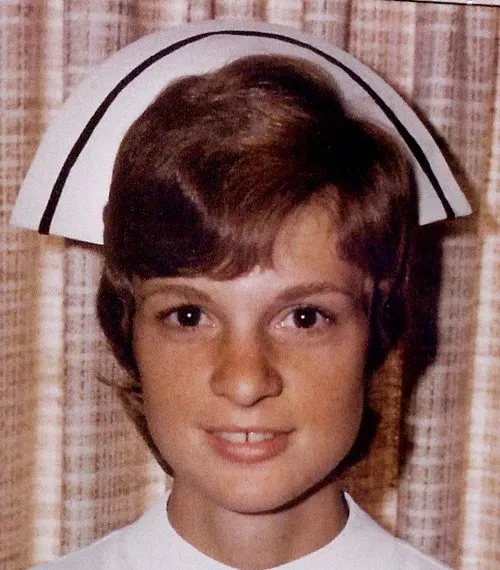
In 1969, AIMS founding member Glenda Dennis graduated from nursing school and began a career in a field that was itself transforming, from simple, task-oriented caregiving into highly technical expert care across many specialties.
Glenda found her niche as a leader by problem-solving: taking the initiative to learn new technical skills whenever there was a need, and looking for practical ways to meet her patients’ needs. She never backed down, even when it meant taking on tasks traditionally performed by physicians.
1990s
Perseverance against the odds
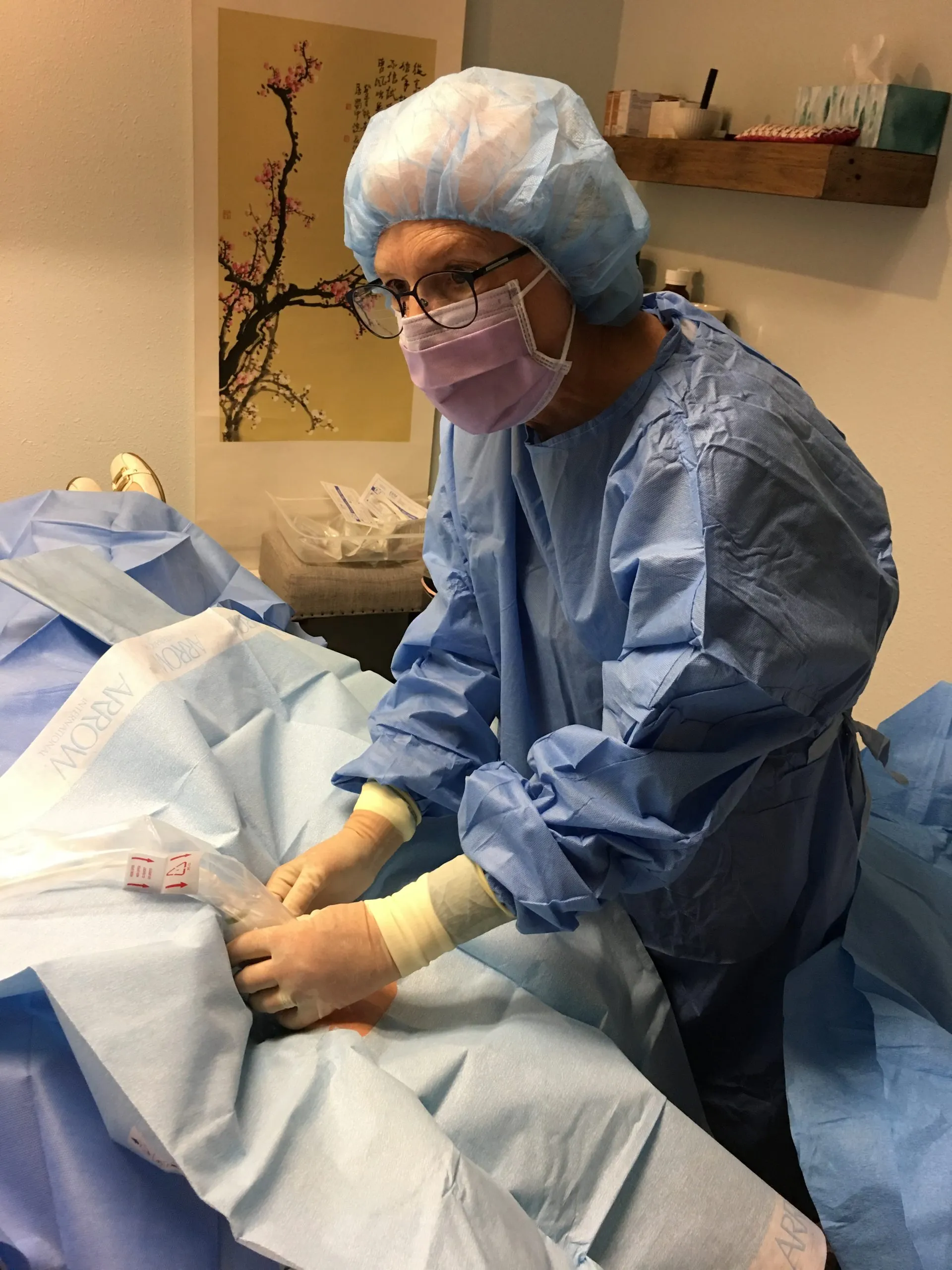
In the early 1990s, Glenda learned that nurses were beginning to insert PICC lines. Several surgeons told her no one would ever use a PICC placed by a nurse. She decided to learn anyway and became the first nurse at McKenzie-Willamette Medical Center in Springfield to insert them.
A few short years later, she was placing PICCs for those same surgeons’ patients, and she started the hospital’s Vascular Access Team: a team of nurses providing the service throughout the medical center.
2008
A new standard of care
By 2008, Glenda and her colleague Elizabeth Ames were the first in the United States to use ECG guidance to confirm PICC tip placement. The technique eliminated the chest X-ray traditionally required for tip verification, reducing radiation exposure, insertion time and cost for patients and hospitals alike.
The data was published in the Journal of the Association for Vascular Access in spring 2010. In the years since, ECG tip confirmation has become a standard of care, and Glenda has trained most of the vascular access professionals in our community and many across the country.
2019
AIMS and the future of American health care
Health care keeps evolving, and the barriers keep growing. Costs are high, reimbursement is complicated, access is limited, and more people than ever are living with chronic disease.
So in 2019, Glenda and her partners founded AIMS to push health care forward: finding simple solutions, reducing costs, keeping patients out of the hospital, working with providers to extend care into a patient-centered medical home, and mentoring nurses outside the hospital to prevent the conditions that lead to hospitalization.
Tammy Inglis-Drew, now CEO, became the Vascular Access Team’s first manager in 2005. Robyn Smith joined the team in 2009 after years in critical care, and was one of the first nurses in Oregon to earn the Certified PICC Ultrasound Inserter (CPUI) credential.
Finding solutions to the challenges we face in health care takes a team of courageous individuals willing to fight to transform our medical system into one that meets patients where they are, when they need it most. No one understands this challenge more than nurses, and we are fighting for this revolution.